
7 Boise Neighborhood Clues First-Time Buyers Miss Before Making an Offer
7 Boise Neighborhood Clues Sellers Should Understand Before Pricing or Listing
When sellers prepare to bring a home to market in Boise, it is easy to focus on the property itself: paint colors, landscaping, repairs, staging, and photography. Those details matter, but buyer decisions are rarely shaped by the house alone. In Boise, neighborhood perception plays a major role in how quickly a home attracts attention, how confidently buyers write offers, and how much pricing flexibility a seller truly has. The strongest listing strategy starts with understanding what buyers notice beyond the front door.
For sellers, that means looking at the block and surrounding area with fresh eyes. A home can be beautifully presented, but if the immediate setting sends mixed signals about upkeep, convenience, or lifestyle, buyers may hesitate or adjust their value expectations. Before setting a price or launch plan, it helps to evaluate the same neighborhood clues buyers are quietly using to compare one Boise property against another.

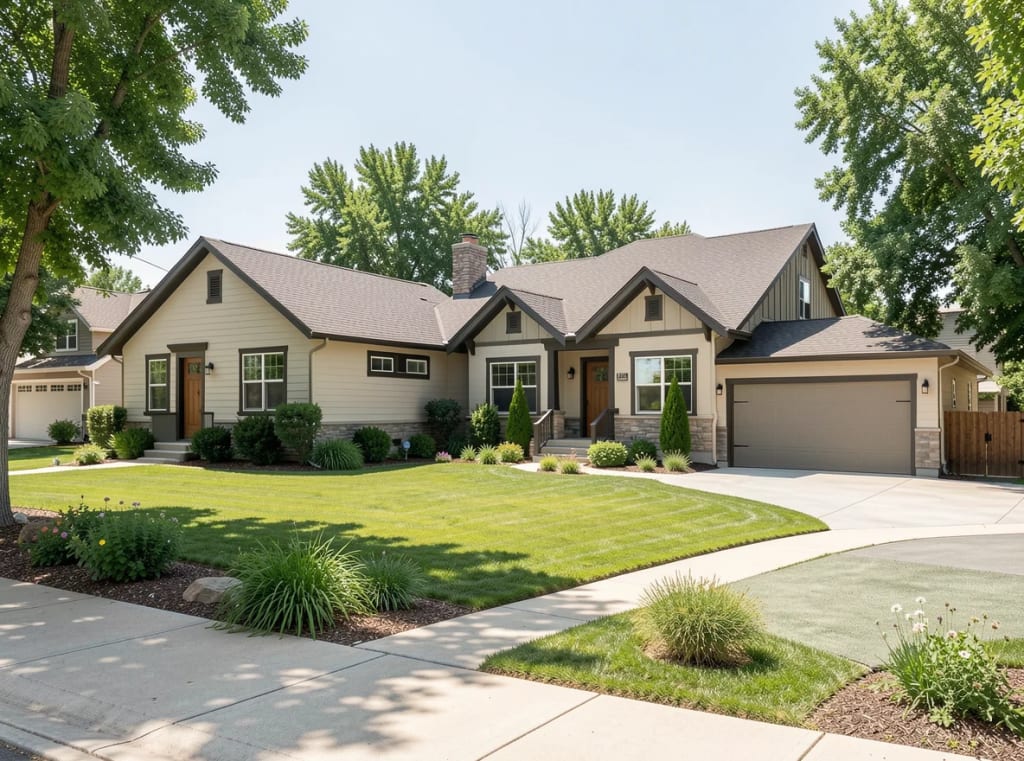
Clue #1: Block-level upkeep affects pricing power more than many sellers expect. Buyers do not evaluate your home in isolation. They notice neighboring roofs, fences, parked vehicles, landscaping, exterior paint, and the overall sense of care on the street. In Boise, where some neighborhoods feel consistently polished and others show a wider range of maintenance levels, that block-by-block impression can influence whether buyers see your home as a premium opportunity or a property that needs pricing cushion. Sellers who understand their immediate surroundings can price more realistically and prepare stronger talking points before the home goes live.
Clue #2: Buyer perception is shaped by the first two minutes of arrival. Long before a buyer studies your kitchen or primary suite, they are forming opinions from the drive in, the curb view, and the feel of the street. Is parking easy? Does the area feel quiet, active, established, or transitional? Are there mature trees, sidewalks, and signs of neighborhood pride? Boise buyers often respond strongly to atmosphere, especially in areas where lifestyle and community identity matter as much as square footage. Sellers who understand that first-impression factor are better positioned to invest in the right pre-listing improvements and avoid overestimating what interior updates alone can accomplish.
Clue #3: “Convenient location” can help or hurt depending on how buyers experience it. Proximity to shopping, dining, schools, and commuter routes can be a major selling point, but convenience is not always interpreted the same way. One buyer may love quick access to daily errands, while another may focus on traffic noise, cut-through patterns, or crowded street parking. In Boise, micro-location matters. A home near a popular corridor may benefit from accessibility, but a property just one or two streets deeper into the neighborhood may feel more private and command stronger emotional appeal. Sellers should understand exactly how their location reads in real life, not just on a map.
The Neighborhood Signals That Influence Buyer Confidence
Many sellers assume buyers are primarily comparing finishes, bedroom counts, and lot size. In reality, buyers are also measuring how a neighborhood supports daily life. Boise offers a wide range of living environments, from established residential pockets to newer communities, foothill-adjacent areas, and neighborhoods with strong recreation access. Each carries a different market story. The more clearly a seller understands that story, the more effectively the home can be priced, positioned, and marketed.
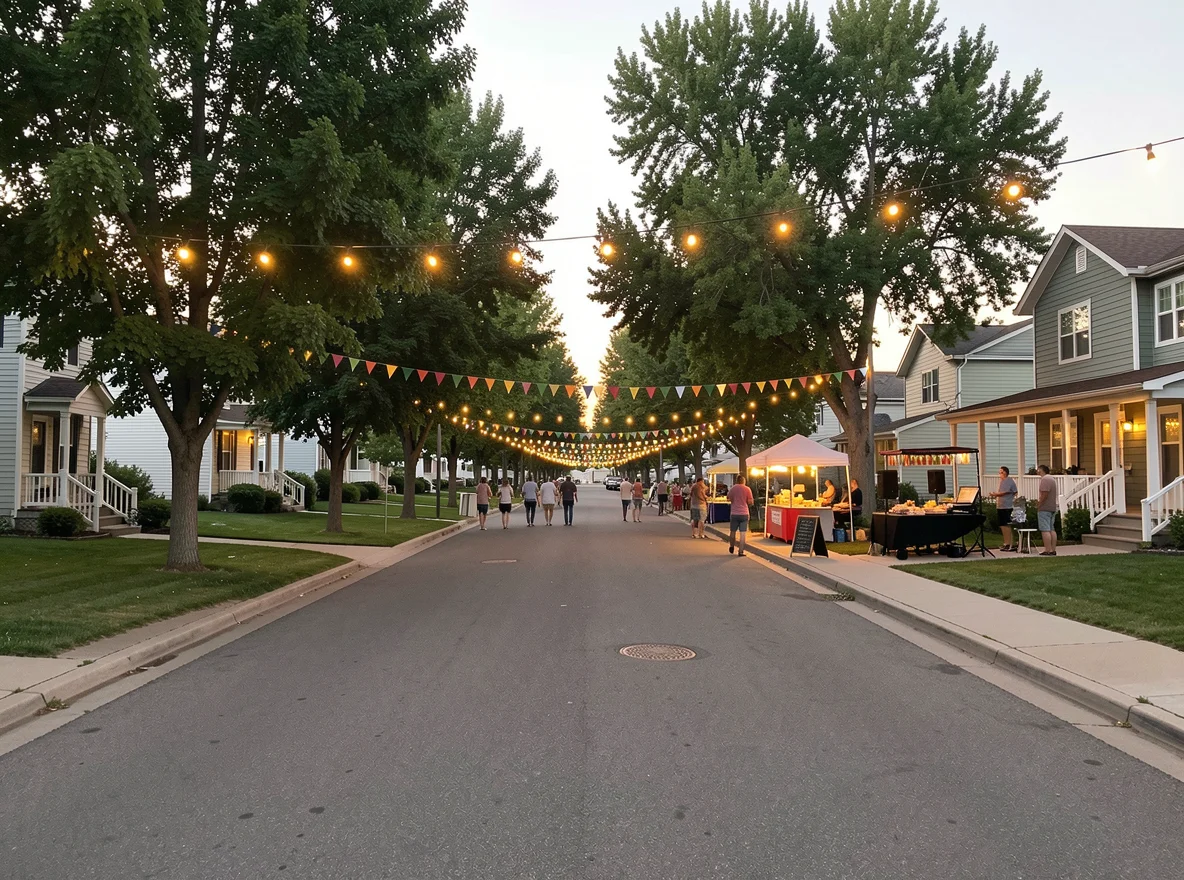
Clue #4: Commute patterns influence value perception even when buyers love the house. A home may show beautifully online and in person, but buyers still think about how it fits into weekday routines. They consider access to major roads, school drop-off routes, employment centers, and the ease of getting across town. In Boise, where commute experience can vary significantly depending on the neighborhood and time of day, sellers benefit from understanding whether their location feels efficient, tucked away, or slightly inconvenient. That does not automatically raise or lower value, but it does shape the buyer pool and the level of pricing resistance a listing may face.
Clue #5: School-boundary perception matters beyond households with children. Even buyers who are not personally focused on schools often think ahead to future resale. School boundaries can influence neighborhood identity, buyer demand, and long-term marketability. Sellers do not need to make broad claims, but they should recognize that school-related perception is part of how many buyers evaluate Boise neighborhoods. If your home benefits from a boundary or area reputation that buyers tend to value, that should be reflected thoughtfully in pricing and marketing. If the perception is more mixed, realistic positioning becomes even more important.
Clue #6: Outdoor-access appeal is a real pricing factor in Boise. Boise buyers are often drawn by lifestyle as much as by the home itself. Access to trails, parks, greenbelt routes, foothill recreation, biking paths, and open space can elevate how buyers feel about a location. A seller whose home is near these amenities may have a stronger story to tell than the square footage alone suggests. At the same time, not every property benefits equally from being “close” to recreation. Buyers will notice whether access feels easy and natural or more theoretical than practical. Sellers who understand that distinction can market the location more credibly and avoid overstating lifestyle benefits.
These neighborhood factors are especially important when pricing strategy is being set. Overpricing based only on interior upgrades can lead to slower activity if the surrounding block or micro-location does not support the number. Underpricing a home with strong neighborhood advantages can leave value on the table. The goal is not simply to compare bedrooms and bathrooms, but to understand how buyers are likely to weigh the full experience of living there.
How Micro-Location Differences Shape Listing Strategy
Clue #7: Small location differences can create meaningful price differences. In many Boise neighborhoods, two homes with similar size and condition can perform differently based on subtle placement factors. One may back to a quieter interior street while another sits closer to a busier connector. One may feel more walkable to parks or neighborhood amenities, while another may be technically nearby but less convenient in practice. Corner lots, school traffic patterns, adjacency to commercial pockets, and transitions between older and newer sections of a neighborhood can all affect buyer response. Sellers who understand these micro-location differences are better equipped to price with precision instead of relying too heavily on broad neighborhood averages.

Before listing, sellers should take time to study the neighborhood the way a buyer would. Drive the approach routes at different times of day. Walk the block. Notice where the street feels strongest and where it changes. Pay attention to nearby amenities, traffic flow, upkeep patterns, and the overall sense of stability or momentum. This kind of observation helps sellers understand not only what supports value, but also what objections may need to be addressed through pricing, preparation, or marketing language.
It is also wise to think in terms of buyer confidence. Homes tend to perform best when the asking price aligns with both the property and the surrounding experience. If buyers feel they are getting a well-positioned home in a neighborhood that supports the number, they move more decisively. If they sense a mismatch between price and location realities, they slow down, negotiate harder, or move on. In a market like Boise, where buyers often compare lifestyle, convenience, and long-term value all at once, that confidence gap matters.
Sellers who approach pricing with a neighborhood-aware mindset usually make better decisions from the start. They know when curb appeal needs extra attention because the block sets a high standard. They know when location advantages deserve stronger emphasis in the listing. They know when a home should be priced assertively and when a more strategic number will create better momentum. Most importantly, they understand that successful selling is not just about presenting the house well. It is about presenting the house honestly and competitively within the context of its Boise neighborhood.
Before your home hits the market, look beyond the walls and finishes. Evaluate the street, the surrounding patterns, the commute experience, the recreation access, and the subtle location details buyers will absolutely notice. When sellers understand those neighborhood clues before pricing or listing, they position themselves for a smarter launch, stronger buyer response, and a more confident sale.