
Meridian vs Eagle: Which Community Gives Move-Up Buyers More for Their Money?
Meridian or Eagle: How Sellers Should Prepare and Price for Two Very Different Buyer Mindsets
For homeowners getting ready to sell in the Boise area, Meridian and Eagle may sit close together on the map, but they often reward different listing strategies. Sellers in both markets benefit from strong presentation, smart pricing, and a clear understanding of what local buyers expect. The difference is that buyers shopping Meridian often evaluate value, function, and condition through a practical lens, while Eagle buyers are more likely to weigh setting, character, privacy, and overall lifestyle impression just as heavily as square footage.
That distinction matters long before a home goes live. The right prep plan in Meridian may focus on clean updates, efficient repairs, and making the home feel move-in ready for a broad pool of buyers. In Eagle, sellers may need to think more carefully about curb appeal, lot presentation, architectural details, and whether the home’s pricing truly aligns with the neighborhood experience it promises. In both cities, strategy matters, but the strategy is not identical.
In Meridian, sellers are usually speaking to buyers who want confidence and convenience. Many are comparing newer subdivisions, practical floor plans, and homes that can support busy daily routines without a long project list after closing. That means deferred maintenance, dated paint, worn flooring, or cluttered rooms can have an outsized effect on how buyers perceive value. Even when a home has solid bones, buyers in this segment often want the path to ownership to feel easy and predictable.
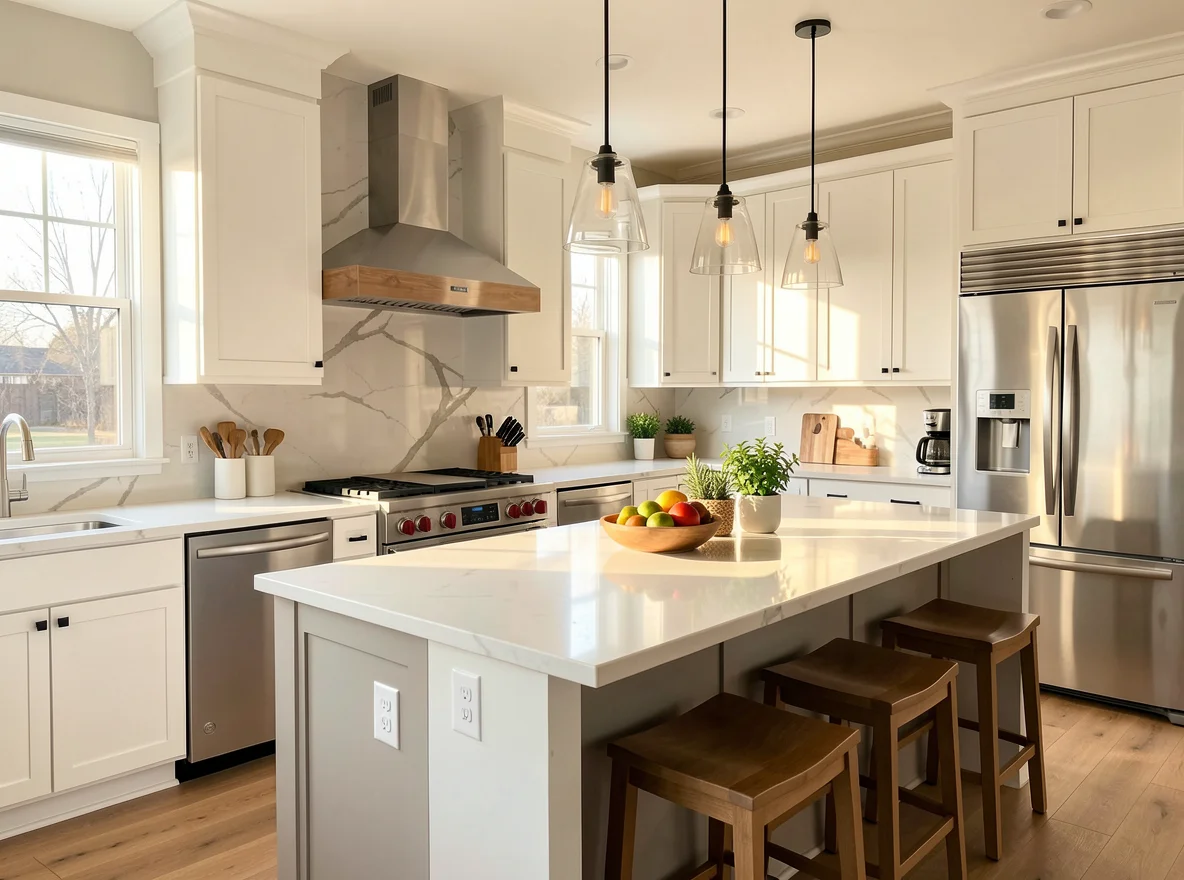
Because of that, Meridian sellers are often best served by focusing on the improvements buyers notice immediately. Fresh neutral paint, crisp landscaping, clean grout lines, updated lighting, and a tidy garage can go a long way. The goal is not to over-renovate for the sake of appearances. It is to remove friction. When buyers walk through a Meridian home, they should feel that the property is functional, cared for, and worth the asking price relative to nearby competition.
Pricing in Meridian also tends to be more comparison-driven. Buyers often have multiple active options with similar age, size, and neighborhood amenities, so they are quick to notice when a seller is reaching too far. If your home is priced above nearby alternatives, the presentation has to justify it clearly through upgrades, lot advantage, layout, or condition. Otherwise, buyers may simply move on to the next listing that feels more straightforward. In this market, realism often performs better than ambition.
Why Eagle Sellers Need to Think Beyond the House Itself
Eagle buyers often shop with a different mindset. They may still care about condition and updates, but they are also paying attention to atmosphere. Street appeal, mature landscaping, lot depth, privacy, architectural style, and the overall feel of the neighborhood can influence value in a more emotional way. Sellers in Eagle are not just marketing bedrooms and bathrooms. They are often marketing a setting, a pace of life, and a sense of distinction.
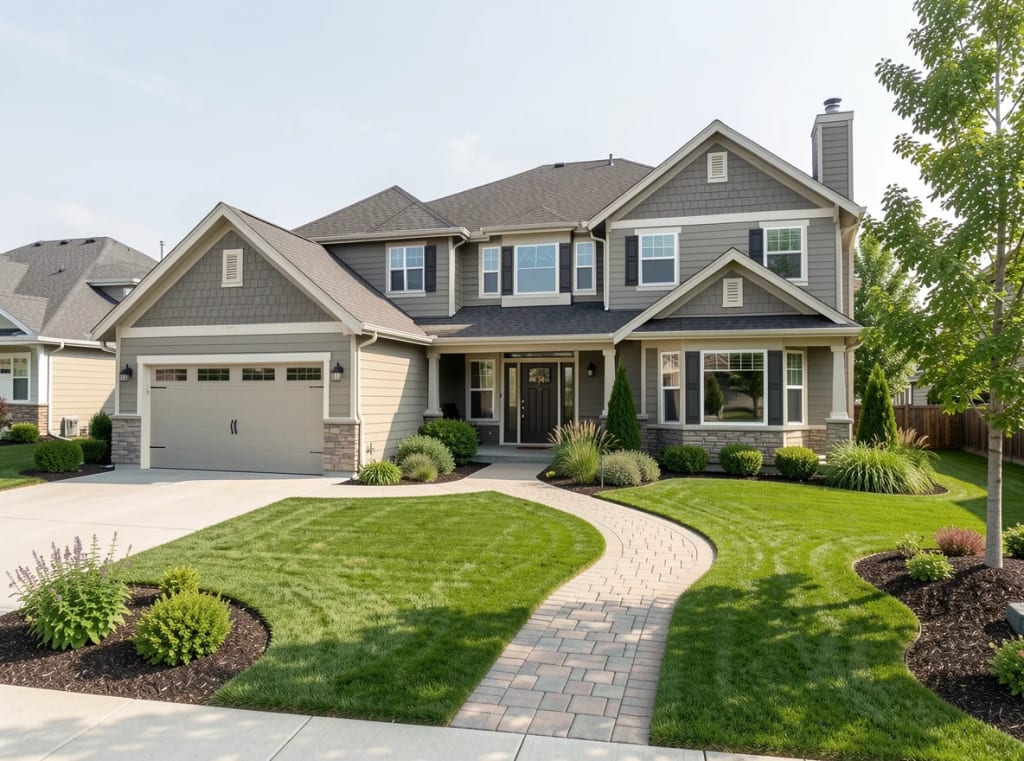
That means preparation in Eagle should extend beyond the interior checklist. A home with strong bones but weak exterior presentation can miss the mark if the lot does not feel as polished as buyers expect for the price point. Tree trimming, refreshed planting beds, pressure washing, driveway cleanup, fencing repairs, and outdoor living touch-ups can all matter more here than sellers initially assume. In some Eagle neighborhoods, buyers begin forming opinions before they ever reach the front door.

Inside the home, Eagle sellers should pay close attention to whether the finish level matches buyer expectations for the neighborhood. A buyer may forgive an older kitchen in the right setting, but only if the home still feels cohesive, well-maintained, and appropriately priced. If finishes are dated, the seller has to decide whether to update selectively, stage more intentionally, or price with enough discipline to account for the work a buyer will see ahead. In premium markets, buyers can be surprisingly sensitive when the asking price suggests a level of polish the home does not fully deliver.
Lot and neighborhood character also play a larger role in Eagle pricing strategy. Two homes with similar square footage may not compete equally if one sits on a more private lot, backs to a more desirable view, or benefits from a more established streetscape. Sellers should avoid relying too heavily on broad price-per-square-foot thinking. In Eagle, nuance matters. The market often rewards homes that feel complete as an overall package, not just homes that look good on paper.
Presentation Standards Are Different in Each Market
One of the biggest mistakes sellers make is assuming that “clean and listed” is enough in every neighborhood. In Meridian, that approach may still leave money on the table if competing homes show better and feel more turnkey. In Eagle, it can be even riskier, because buyers at higher price points often expect a stronger visual and emotional experience from the moment they arrive. The standard is not just cleanliness. It is readiness.
For Meridian homes, readiness often means simplifying spaces and emphasizing utility. Home offices should read clearly as offices. Bonus rooms should feel purposeful. Storage areas should look organized rather than overfilled. Buyers want to understand how the home will support real life. If the layout is one of the property’s strengths, staging and photography should make that obvious. Sellers who create clarity tend to perform better than sellers who leave buyers guessing.
For Eagle homes, readiness often includes a stronger emphasis on refinement. That might mean elevating staging, improving outdoor entertaining areas, or making sure luxury-adjacent spaces such as primary baths, entryways, and covered patios feel intentional. Buyers in this market may be more willing to pay a premium, but they also expect the home to feel aligned with that premium. If the listing photos, showing condition, and neighborhood setting do not tell the same story, hesitation follows quickly.
How Pricing Sensitivity Changes Between Meridian and Eagle
Both markets punish overpricing, but they do so in different ways. In Meridian, overpricing often shows up quickly through lower showing activity and sharper buyer comparison against nearby alternatives. Because inventory can include many homes with overlapping features, buyers tend to move efficiently toward listings that feel fairly positioned. A seller who starts too high may lose the early momentum that matters most, especially if the home is not clearly superior to competing options.
In Eagle, overpricing can be more subtle at first but still costly. Sellers may assume that because the market is more premium, buyers will negotiate their way into a deal. Sometimes that happens, but often buyers simply become skeptical when the home does not fully support the number. They may question updates, lot quality, or long-term resale if the pricing feels aspirational rather than grounded. In a market where emotion and prestige matter, credibility matters too.
That is why pricing strategy should begin with honest positioning, not just optimistic math. Sellers need to ask what buyers are truly paying for in their specific property. Is it newer condition? Better lot utility? Stronger neighborhood identity? More privacy? Better outdoor living? In Meridian, the answer often centers on function and value. In Eagle, it may center on setting and overall experience. The list price should reflect the reason a buyer will choose your home over the next one.
It is also important to remember that price can either support your preparation work or undermine it. A beautifully prepared home that is priced too aggressively can still stall. A well-priced home with thoughtful improvements often creates stronger urgency and better leverage. Sellers in both Meridian and Eagle benefit when preparation and pricing are built as one strategy rather than treated as separate decisions.
The Best Seller Strategy Starts With the Market You Are Actually In
For Meridian sellers, the smartest path is often to focus on broad appeal, visible condition, and pricing that makes buyers feel they are getting a clean, practical step forward. For Eagle sellers, the better strategy is often to present the home as a complete lifestyle offering, with careful attention to lot presentation, neighborhood context, and whether the finish level supports the premium being asked.
Neither market rewards guesswork. Sellers who prepare selectively, price with discipline, and understand what local buyers value most are usually in the strongest position. If you are deciding how much work to do before listing or how aggressively to price, the answer depends less on general advice and more on how your home fits Meridian or Eagle specifically. That local difference is where the right selling strategy is built.